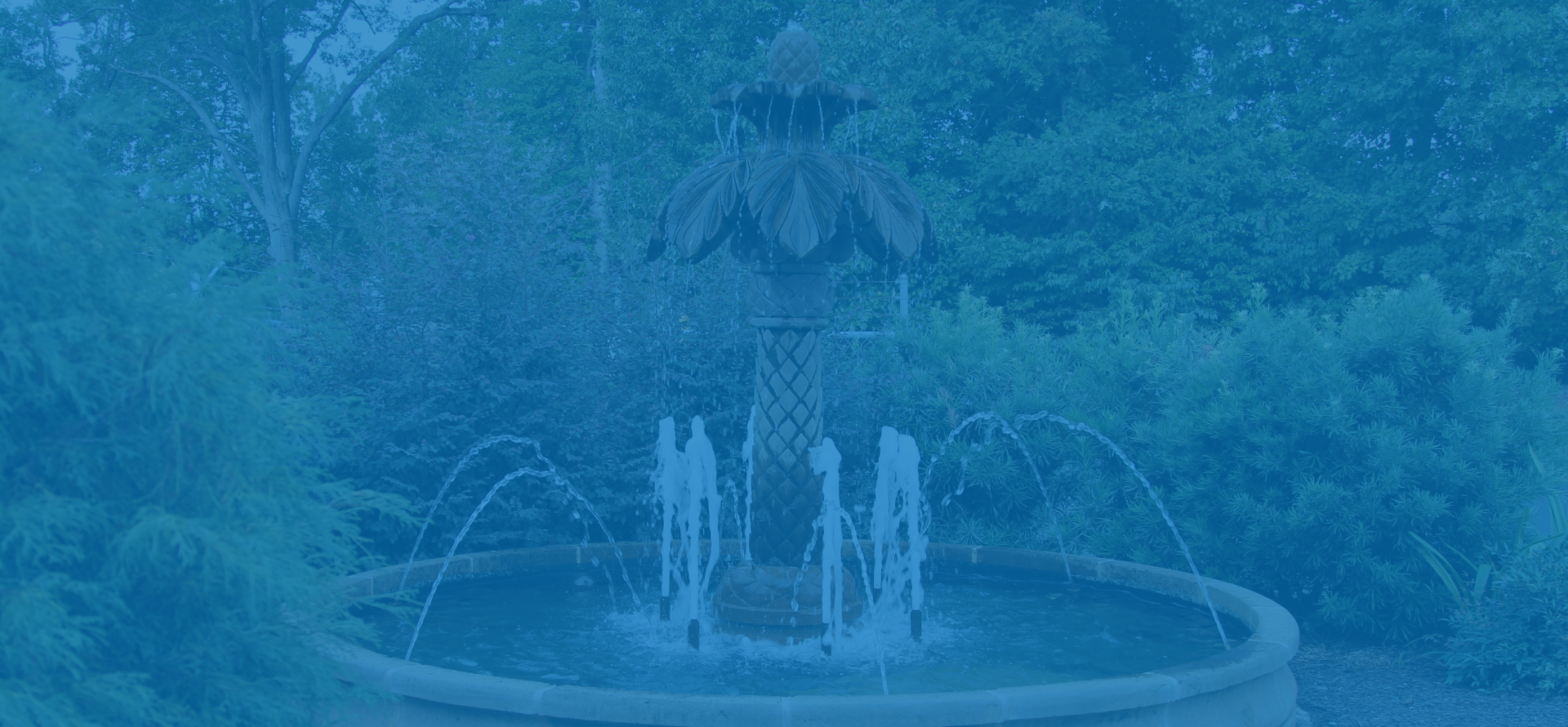

Choosing the best outdoor fountains begins with your space, not the fountain catalog.
A fountain may look stunning online, yet feel oversized beside a narrow patio. Measure the available area first. Note nearby doors, windows, seating, trees, and electrical access. Water movement also matters. A soft bubbling sound suits a reading corner, while a stronger cascade can mask traffic noise.
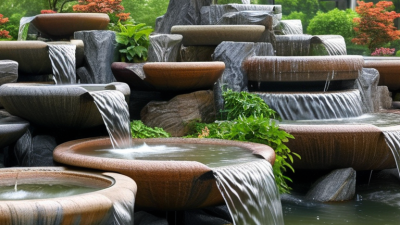
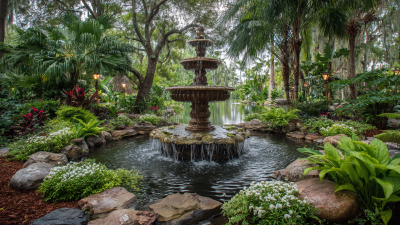
Landscape designer Rick Darke offers a useful guiding principle: “Water should bring movement, sound, and life to a garden.” His observation explains why appearance alone cannot determine the right choice. Outdoor fountains should support the mood and function of the surrounding landscape. A tiered stone fountain may complement a traditional garden. A simple metal bowl can suit a modern courtyard. A wall fountain may save floor space, but it still needs suitable drainage and a secure mounting surface.
Material deserves careful attention. Resin is lightweight and often easier to move. Stone feels permanent, but it can require stronger support. Metal develops character over time, although some finishes need regular care. Pump noise, splash distance, water loss, and seasonal maintenance should also influence the decision.
Small details matter.
I have seen homeowners choose tall fountains for compact spaces, assuming height creates elegance. Sometimes it creates visual pressure instead. The choice is rarely perfect on the first attempt. Reconsider scale, sound, maintenance, and safety before purchasing. The right fountain should feel connected to the space, not merely placed inside it.
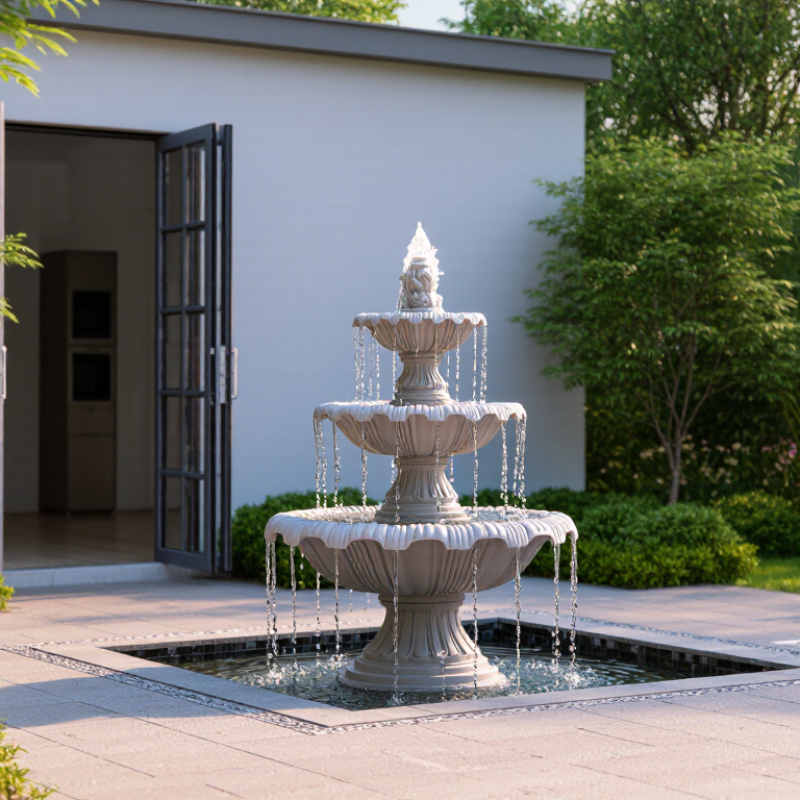
How to Choose the Best Outdoor Fountains for Your Space?
Understanding Outdoor Fountain Types and Their Uses
Outdoor fountains serve different purposes, so the fountain type should match your space first. Wall-mounted fountains suit patios, courtyards, and narrow entrances. They create gentle sound without using much floor space. Tiered fountains become visual focal points in larger gardens. Their falling water adds movement and a traditional character. Bubbling urns or basin fountains work well on balconies and compact terraces. They usually provide softer sound and simpler maintenance.
Pondless fountains are practical where safety, space, or cleaning matters. Water disappears into a hidden gravel reservoir, then recirculates through the pump. During site checks, I look for nearby power, splash zones, drainage, and strong afternoon sun. A beautiful fountain can still fail if leaves constantly block its intake. I learned this through a small courtyard installation. The basin was attractive, but its shallow design increased evaporation.
Water efficiency also deserves attention. The U.S. Environmental Protection Agency reports that landscape irrigation can use nearly 9 billion gallons daily, with up to 50% wasted. Although fountains recirculate water, wind and heat still cause losses. Choose a covered reservoir, adjustable flow, and an automatic shutoff sensor. The U.S. Geological Survey also identifies outdoor use as a major household water demand in many regions. These figures are United States-based, so local conditions may differ. A modest bubbling feature may be wiser than a tall cascade in a dry, exposed garden.
Understanding outdoor fountain types and their typical residential footprint can help match a water feature to the available space.
Wall fountains and birdbaths are generally suited to compact patios, balconies, and entryways. Tiered and pondless fountains need more floor area, while pond-style features typically require the largest footprint and are better for spacious gardens. The dimensions shown are practical planning ranges for common residential installations; actual sizes vary by design.
Choosing the best outdoor fountain begins with measuring the installation area, not browsing finishes.
Record the available length, width, and height. Leave at least 60 centimeters around the basin for cleaning and safe movement. Check nearby doors, windows, seating, and electrical access. A fountain can look elegant in a showroom but feel intrusive beside a narrow walkway.
Water management deserves equal attention. The U.S. Environmental Protection Agency reports that outdoor use represents nearly 30% of household water consumption, while landscape irrigation uses nearly 9 billion gallons daily nationwide. A recirculating fountain can reduce waste, but evaporation still matters. Choose a deeper basin for hot, exposed spaces, and inspect its water level weekly. I once underestimated afternoon heat; the pump ran dry faster than expected. That mistake was preventable.
Style should support the space rather than compete with it. Clean geometric forms suit modern patios, while textured stone can soften a planting bed. Match the fountain’s scale to nearby furniture and plants. The American Society of Landscape Architects’ residential trend reporting continues to show strong interest in functional outdoor living areas, where sound, seating, and circulation work together. Test the water sound from the places you actually use. Too loud can disturb conversation. Too soft may disappear under traffic noise. Consider access for filters, pumps, and winter storage before installation. The prettiest location is not always the wisest one.
Choosing an outdoor fountain starts with the site, not the catalog photograph. My first tall basin looked elegant, but wind scattered water onto a stone path. Measure the footprint, viewing distance, sunlight, and nearby power access. EPA WaterSense reports that outdoor use can exceed 30% of household water consumption. It also estimates nearly half may be lost through evaporation or runoff. A recirculating fountain reduces waste, but it does not eliminate refilling. Choose a reservoir that leaves room for splash and evaporation.
Material affects safety, maintenance, and visual weight. Cast stone suits formal gardens and resists strong winds, although porous surfaces may crack during freezing weather. Stainless steel offers a cleaner look and handles moisture well. Check its grade near coastal areas. Ceramic creates color and texture, but a thin basin can chip easily. In my experience, heavier materials need better foundations. I once underestimated that.
Size should match the surrounding scale. A fountain usually looks balanced when its height stays below nearby windows and railings. Leave at least 45 centimeters around the basin for cleaning access. For capacity, calculate the basin’s usable volume, not its outer dimensions. A 60-liter reservoir may need frequent topping up under direct sun. The U.S. Department of Energy reports that efficient pumps can reduce operating energy, but pump sizing still depends on lift and flow. Follow the pump curve carefully. Oversizing creates noise, splash, and unnecessary maintenance. A smaller, quieter fountain may serve the space better.
Choosing an outdoor fountain starts with matching the pump to the space. A pump that is too weak produces a flat, disappointing stream. An oversized pump may splash nearby furniture and waste electricity. Check the recommended flow rate and lift height before buying. Lift height means the distance water travels upward. Measure it honestly, including curved tubing and bends.
Power sources also affect daily convenience. A nearby outdoor socket offers steady operation, but it must be weather-rated and protected by a residual-current device. Keep plugs above ground and away from pooling water. Solar pumps reduce wiring, although cloudy afternoons can weaken the flow. Battery-backed models provide more consistency, but batteries need replacement. My first fountain used an underpowered solar pump. It looked fine at noon and nearly stopped by evening. That choice was optimistic.
Maintenance requirements often decide whether a fountain remains attractive. Remove leaves from the intake screen every few days during windy weather. Rinse the pump and tubing monthly, or sooner if the water turns cloudy. Hard water can leave white mineral buildup around the basin and nozzle. A soft brush usually removes it without scratching the surface. Never let the pump run dry. That mistake can damage the motor quickly. In colder climates, drain the basin before freezing weather and store removable parts indoors. I still overlook cleaning the tubing sometimes, and the reduced flow reminds me that simple schedules matter.
How to Choose the Best Outdoor Fountains for Your Space?
Budget should include more than the fountain’s purchase price. Add delivery, a stable base, wiring, water treatments, and seasonal storage. A cheaper model may use a weak pump that becomes noisy after one summer. I have learned to inspect replacement parts before buying. Keep room for repairs.
Safety deserves equal attention. Place the fountain on level, non-slip ground away from busy walkways. Outdoor electrical connections should use weather-protected equipment and suitable ground-fault protection. Local requirements may differ, so a qualified electrician should check permanent wiring. Keep sockets above likely puddles, and never handle the pump with wet hands. Small children and pets need a safe distance from deep basins.
Weather resistance shapes long-term value. Choose materials suited to strong sun, heavy rain, and freezing temperatures in your area. Before winter, drain the basin and store removable pumps indoors if freezing is possible. Check that leaves cannot quickly block the intake. I once underestimated afternoon sunlight; algae appeared faster than expected. That mistake changed my preference toward shaded placement and easier cleaning. A fountain that takes ten minutes to maintain is often better than a decorative piece requiring constant attention. Listen for unusual pump sounds, watch for cracks, and record maintenance dates. Beauty matters, but dependable operation matters more.
| Fountain Type | Typical Purchase Price | Estimated Installed Cost | Typical Power Use | Safety Considerations | Weather Resistance | Routine Maintenance | Expected Service Life | Best Use | Long-Term Value |
|---|---|---|---|---|---|---|---|---|---|
| Tabletop Fountain | $40–$250 | $50–$300 | 5–25 watts | Use a ground-fault circuit interrupter (GFCI) outlet; keep cords protected from foot traffic and prevent small children from accessing the basin. | Suitable for sheltered patios. Most should be drained and stored during freezing weather. | Refill every few days in warm weather; clean the pump and basin monthly. | 3–8 years with seasonal care | Balconies, small patios, entry areas, and rental properties | ★★★★☆ Low upfront cost and easy replacement |
| Wall-Mounted Fountain | $150–$900 | $300–$1,500 | 10–60 watts | Confirm that the wall can support the filled weight; use secure anchors, waterproof connections, and a GFCI-protected supply. | Good when made from sealed stone, metal, or resin; exposed plumbing may need winter protection. | Check mounting hardware, clean mineral deposits, and inspect tubing every 1–2 months. | 5–15 years | Courtyards, narrow gardens, and small outdoor seating areas | ★★★★☆ Uses little floor space and adds strong visual impact |
| Tiered Fountain | $300–$2,500 | $600–$4,000 | 20–100 watts | Place on a level, stable base; secure tall sections; use a GFCI outlet and keep splash zones away from electrical equipment. | Cast stone and concrete handle outdoor exposure well but can crack if water freezes inside them. | Remove leaves weekly, clean the pump monthly, and inspect for leaks or surface cracking. | 8–20 years | Front yards, formal gardens, and larger patios | ★★★★★ High visual presence and good durability when winterized |
| Bowl or Urn Fountain | $250–$1,800 | $500–$3,000 | 15–80 watts | Choose a wide, stable base to reduce tipping risk; keep the water depth shallow in areas used by children or pets. | Stone, fiberglass, and UV-stabilized resin perform well; porous materials require freeze protection. | Top up water frequently, remove algae, and clean the pump every 4–8 weeks. | 7–18 years | Landscaped beds, entrances, and compact focal points | ★★★★☆ Balanced appearance, cost, and installation flexibility |
| Pondless Waterfall | $1,000–$5,000 | $2,500–$10,000 | 45–250 watts | Use a properly covered underground reservoir; prevent access to exposed pump wiring and provide slip-resistant surfaces around splash areas. | Very good when the reservoir, liner, pump, and plumbing are correctly installed and protected from freezing. | Remove debris regularly, clean the intake screen, and inspect the liner and pump at least seasonally. | 10–25 years | Family gardens, sloped yards, and properties needing a natural sound feature | ★★★★★ Low open-water risk and strong long-term landscape value |
| Large Formal Fountain | $2,000–$15,000+ | $5,000–$30,000+ | 100–1,000+ watts | Requires professional electrical and structural planning; install slip-resistant paving and restrict access where water is deep. | Excellent with frost-resistant materials, proper drainage, and a seasonal shutdown plan. | Frequent debris removal, pump servicing, water treatment, and professional winterization may be required. | 15–40+ years | Large estates, commercial entrances, public-facing landscapes, and hospitality spaces | ★★★★☆ Highest impact, but substantial installation and operating costs |
| Solar-Powered Fountain | $100–$800 | $100–$1,000 | Usually 5–40 watts; sunlight-dependent | Use weather-rated components and secure the panel and cables; performance may stop during cloudy periods or at night without battery storage. | Good in sunny locations; protect the pump, panel, and battery from ice, heavy snow, and standing water. | Clean the panel and pump regularly; remove leaves and monitor battery performance where fitted. | 3–10 years; panels may last longer than pumps or batteries | Remote gardens, off-grid areas, and locations without convenient electrical access | ★★★★☆ Low wiring cost and low energy use, with variable water flow |
Cost ranges are typical U.S. estimates for residential outdoor projects and vary by material, size, site access, labor rates, electrical work, and local conditions. Energy use assumes a continuously operating pump; actual electricity cost depends on the local utility rate and operating schedule. Always follow local electrical codes and the manufacturer’s installation instructions.
Sign up today to keep up with the newest information from one of the Southeast’s leading suppliers of fluid handling equipment!