How to Choose a Garden Irrigation System?
Choosing a garden irrigation system is less about buying equipment and more about matching water delivery to your garden. A small herb bed needs different coverage than a wide lawn, raised beds, or young fruit trees. In my experience, poor planning causes more waste than inexpensive equipment. Start by observing sunlight, soil texture, plant spacing, water pressure, and seasonal rainfall. These details reveal where water is needed and where runoff may occur.
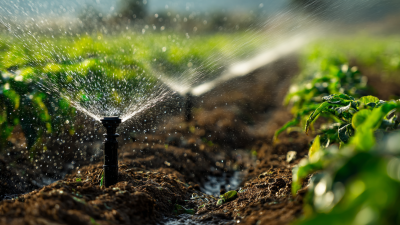
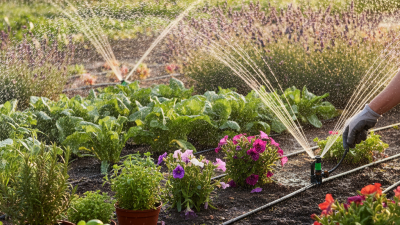
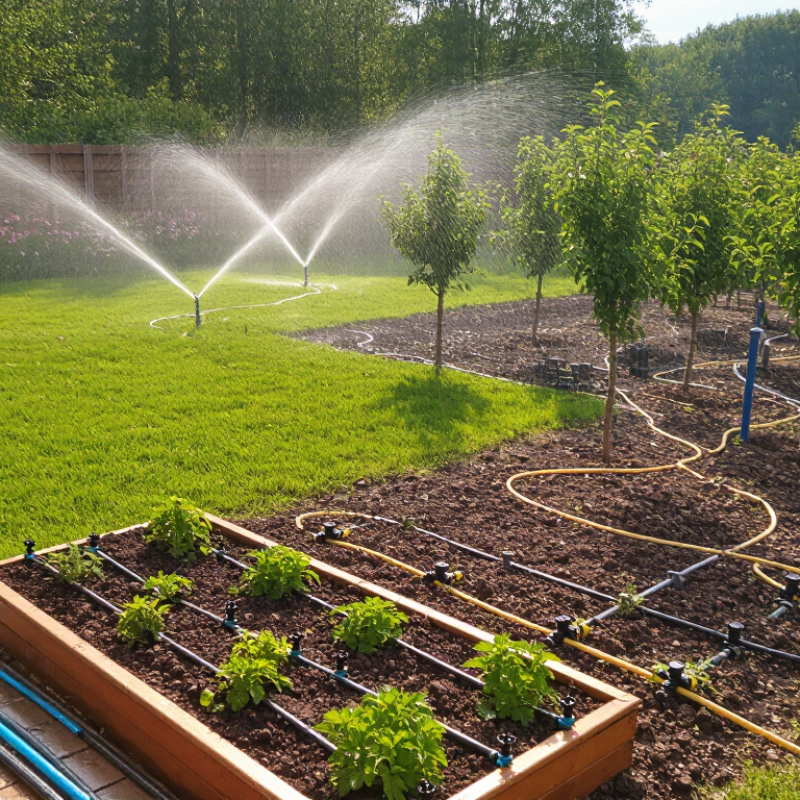
Drip lines deliver slow, targeted moisture near roots. They suit vegetables, containers, and shrubs. Sprinklers may suit lawns or densely planted borders, but wind can carry water onto paths. Soaker hoses offer simplicity, although they may water unevenly on slopes. Timers improve consistency, yet they should not replace regular inspection. Check clogged emitters, leaking joints, and dry corners by hand. A system can look efficient and still waste water underground.
Reliable guidance should include pressure testing, filtration, suitable tubing, seasonal adjustment, and local water-use requirements. A qualified irrigation professional can assess difficult grades, backflow risks, and larger installations. Product labels and manufacturer instructions also matter. The “best” system is not always the most automated one. It should be repairable, expandable, and suitable for your budget. No system is perfect. Reconsider the design after heavy rain, a hot week, or a failed plant. This practical review helps you choose confidently, protect plant health, and use water responsibly.
Define Your Garden’s Irrigation Needs
Before choosing an irrigation system, define what your garden actually needs. Measure the planting area, note sunny and shaded zones, and identify slopes or compacted soil. A 20-square-metre vegetable bed needs different coverage from a mixed border with mature shrubs. Soil matters too. Sandy soil drains quickly, while clay absorbs water slowly and may create puddles. The USDA Natural Resources Conservation Service recommends considering soil texture, infiltration, and site slope when planning water application.
Check your water source before buying equipment. Record the tap flow for one minute, then test pressure with a basic gauge. Low pressure can make sprinklers perform poorly, while excessive pressure may damage small lines. Divide the garden into zones with similar needs. Herbs and vegetables usually need steadier moisture than drought-tolerant plants. New trees also require deeper, less frequent watering. Keep the root area in mind.
Water efficiency is not a minor detail.
The U.S. Environmental Protection Agency’s WaterSense program reports that landscape irrigation can represent nearly one-third of residential water use in the United States, about 9 billion gallons daily. Globally, FAO AQUASTAT estimates agriculture accounts for roughly 70% of freshwater withdrawals. A garden is smaller, but waste still matters. Avoid watering bare paths. Use a rain sensor if rainfall is unpredictable. My first calculation would probably overestimate demand, so I would monitor soil moisture for two weeks and adjust the schedule instead of trusting a fixed timer.
Evaluate Water Sources, Pressure, and Coverage
How to Choose a Garden Irrigation System?
Evaluate Water Sources, Pressure, and Coverage
A reliable irrigation plan begins with the water source. Check whether you use a tap, rain tank, or shallow well. Test the flow with a bucket before buying equipment. Fill a ten-liter bucket and record the seconds needed. Divide the volume by time to estimate litres per minute. This simple test often reveals weak supply lines. It also prevents expensive overdesign.
Pressure matters just as much. Measure pressure while the system is running, not only when the tap is closed. Low pressure creates dry patches and weak spray patterns. Excessive pressure can produce mist, runoff, and unnecessary water loss. Use separate zones when beds contain different plants or sit at different elevations. A sloped bed may need shorter cycles with pauses between them.
Tips: Sketch every bed, path, and water outlet. Place small catch cups across the lawn or planting area. Run the system for ten minutes, then compare collected water. Uneven amounts show poor coverage or blocked emitters. Clean filters regularly and inspect connections after the first week. I have found that a visually neat layout can still miss a narrow strip beside a wall. Recheck coverage during hot weather, because wind and evaporation change the result. Some adjustments will be imperfect. Keep measuring.
How to Choose a Garden Irrigation System?
Evaluate water sources, pressure, and coverage before selecting an irrigation method.
Water Source
Measure available flow in gallons per minute and check whether the source is municipal water, a well, or a storage tank. Low-flow sources may require smaller zones or a holding tank.
Pressure
Drip systems commonly operate at about 10–30 psi, spray systems at 20–40 psi, and rotor systems at roughly 35–70 psi. A pressure regulator may be needed to protect the system.
Coverage
Drip irrigation targets plant roots with low application rates. Sprays cover smaller areas with finer droplets, while rotors cover larger areas and generally need more open space.
Plan the Layout and Select Suitable Components
Begin with a scaled sketch of the garden, not a guess made beside the water tap. Mark beds, paths, trees, walls, and areas that receive different sunlight. Measure each bed’s length and width. Note plants with similar watering needs. Vegetables may need frequent, gentle irrigation, while established shrubs often need deeper watering. Keep irrigation lines away from walking routes. That small detail prevents damaged tubing and awkward maintenance.
Divide the garden into practical watering zones. A narrow herb bed can share one zone, while lawn or containers may need separate control. Check available water pressure and flow before selecting components. Low pressure can produce dry patches and weak spray.
Use pressure regulation, filtration, shutoff valves, and backflow protection where appropriate. Drip lines suit planting beds because they deliver water near the roots. Sprinklers may work better for broad, open areas, but wind can distort their coverage.
Choose tubing, connectors, emitters, and controllers that match the layout, climate, and water quality. Place emitters according to soil type and plant spacing, rather than following a fixed pattern. Sandy soil usually needs closer applications; clay soil may require slower delivery. Flush the lines before installing end caps. I once planned generous spacing and missed a dry corner near a wall. The layout looked efficient on paper, yet the plants disagreed. Leave accessible points for inspection, because clogged emitters and shifted tubing are normal maintenance problems, not rare failures.
Install, Test, and Maintain the Irrigation System
Choosing a garden irrigation system starts with your soil, plant types, and available water pressure. Drip lines suit vegetable beds and containers, while sprinklers cover lawns more evenly. Measure the garden before buying equipment. A rough sketch prevents wasted tubing and uneven coverage.
During installation, place filters before drip emitters and secure every connection firmly. Keep tubing away from sharp stones and heavy foot traffic. Install a pressure regulator when the water supply is strong. A backflow prevention device may also be required by local regulations. Check those requirements before connecting the system.
I once skipped a pressure test and found three small leaks after watering. That mistake was avoidable.
Test each zone separately. Watch for blocked emitters, misting joints, puddles, and dry corners. Let the system run for several minutes, then inspect the soil beneath the surface. Adjust spray heads carefully, because sidewalks should not receive daily water. Record the timer settings and seasonal changes.
Maintenance needs a simple routine. Clean filters monthly during active use, flush drip lines, and replace cracked parts promptly. Before cold weather, drain exposed pipes and protect vulnerable valves. My first schedule was too long, and some plants developed yellow leaves. Shorter cycles with deeper soaking worked better, although every garden needs observation. Recheck the system after heavy rain, landscaping work, or a noticeable change in water pressure.