Top 10 Emulsion For Screen Printing You Should Know?
Screen printing is an art form that requires precision and the right materials. One essential element in this process is the emulsion for screen printing. Choosing the right emulsion can significantly impact the quality of your prints. There are numerous options available, making the selection process overwhelming.
Understanding the properties of emulsions is crucial for any screen printer. Certain emulsions excel in different applications. Some may offer quick exposure times, while others provide high durability. The balance between ease of use and performance is vital. Many printers face challenges when their chosen emulsion does not meet their expectations.
This guide explores the top 10 emulsions for screen printing. Each emulsion is evaluated for its unique qualities and potential drawbacks. The goal is to ensure you make an informed decision tailored to your specific needs. With the right knowledge, you can enhance the quality of your screen printing projects.
Understanding Emulsion: The Foundation of Screen Printing
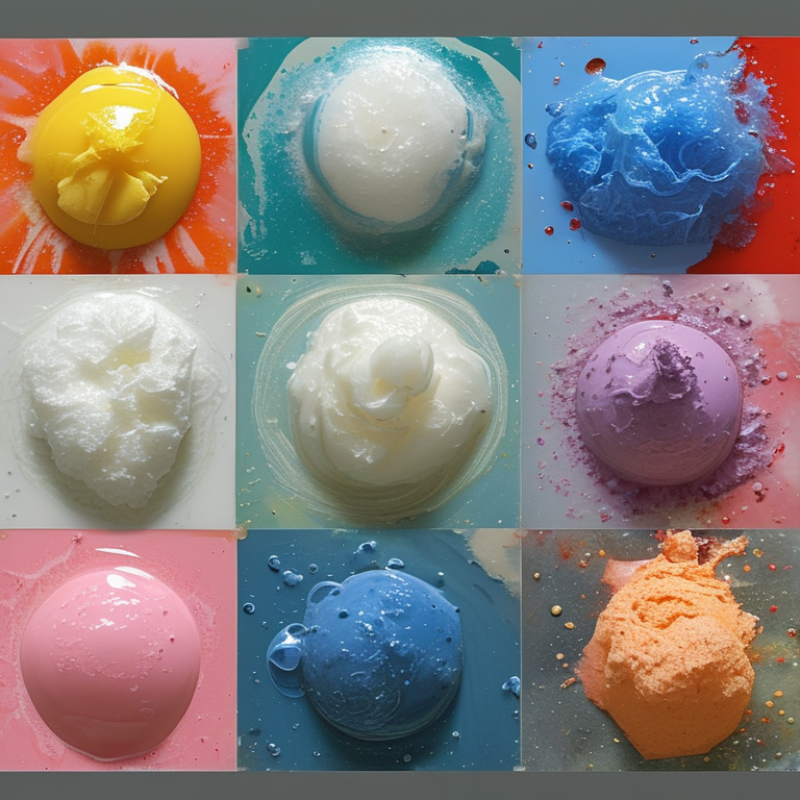
Emulsion plays a crucial role in screen printing. It is the medium that allows designs to be transferred onto various surfaces. Choosing the right emulsion is essential for achieving high-quality prints. Emulsion is a light-sensitive liquid that coats the screen mesh. When exposed to light, it hardens in the areas not covered by the design.
There are various emulsions available, each with its own properties. Some emulsions work well with water-based inks, while others are better suited for plastisol inks. Understanding these differences is vital. The right emulsion can significantly improve your printing results. However, not every print job is perfect. Factors like exposure time and coating technique can affect outcomes. Sometimes, the emulsion may not adhere correctly, leading to blurry images.
Many beginners struggle to find the right balance. Experimentation is key. Mistakes can teach valuable lessons about light exposure and screen preparation. Every screen printing project offers a chance to improve and refine your technique. Emulsion is the foundation, but it's also a learning experience. This process requires patience and practice to master. Each attempt brings you closer to achieving optimal results.
Criteria for Selecting the Right Emulsion for Your Projects
Choosing the right emulsion for screen printing can be overwhelming. Several factors come into play. One critical aspect is the type of ink you plan to use. Water-based inks require different emulsions than plastisol inks. The emulsion must be compatible with your inks to ensure proper adhesion and durability.
Another crucial criterion is the exposure time. Different emulsions react to light differently. Some emulsions cure quickly, while others need more exposure. If you have limited equipment, you may struggle to work with specific emulsions. It’s important to match the emulsion with your exposure setup.
Additionally, consider the production environment. High humidity can affect emulsion performance. If you live in a humid area, select an emulsion designed to withstand moisture. Reflecting on these factors can guide your selection process. A mindful approach will enhance your screen printing projects and lead to better results.
Top 10 Emulsion For Screen Printing You Should Know
| Emulsion Type | Exposure Time (Minutes) | Mesh Count (tpi) | Washout Time (Minutes) | Best For |
| Diazo Emulsion | 5-10 | 110-200 | 5 | Textile Printing |
| Photo Emulsion | 5-15 | 110-300 | 10 | High Detail Work |
| Pure Photopolymer | 2-7 | 110-300 | 3 | Detailed Images |
| Dual-Cure Emulsion | 5-10 | 160-305 | 4 | Various Materials |
| Non-Photographic Emulsion | 10-20 | 80-200 | 7 | Single Color Prints |
| Washout Emulsion | 5-12 | 120-250 | 6 | General Purpose |
| Solvent-Based Emulsion | 8-15 | 150-300 | 10 | Heavy Inks |
| Textile Emulsion | 5-10 | 120-280 | 4 | Clothing |
| Specialty Emulsion | 4-8 | 100-250 | 3 | Custom Projects |
| Eco-Friendly Emulsion | 6-12 | 140-260 | 5 | Sustainable Projects |
Top 10 Emulsion Brands for Optimal Screen Printing Results
When choosing emulsions for screen printing, several key brands stand out for producing optimal results. The industry reports indicate that using the right emulsion can significantly impact print quality, making it crucial for professionals. High-quality emulsions offer better exposure times, sharper details, and smoother screens. Research shows that the right emulsion can increase productivity by up to 30%.
Here are a few tips to enhance your screen printing process. First, always select an emulsion that matches your ink type. For instance, using an appropriate emulsion for water-based or plastisol inks can improve adhesion. Second, consider the exposure time and intensity. Too much exposure can lead to underexposure, resulting in washed-out prints. Lastly, keep your work area clean. Dust and debris can compromise emulsion quality, leading to poor prints.
Examining details is crucial. Not all emulsions cure the same way. Some may require special lighting for proper hardening. Also, be aware that humidity can affect your emulsion application. A controlled environment is often necessary for optimal results. Every printer has a unique preference and might face challenges with specific emulsions. Continuous testing and adjustments are key to mastering the process.
Application Techniques for Different Types of Screen Printing Emulsions
When working with screen printing emulsions, different techniques can make a significant difference. It’s crucial to understand how each emulsion behaves under various conditions. For instance, water-based emulsions offer easy cleanup but may require specific exposure times. They often work well with light colors, allowing vibrant hues to pop. However, they might not perform as well with dark fabrics.
In contrast, solvent-based emulsions are more versatile. They endure high temperatures and light exposure. These emulsions typically require a steady hand when applying. Using an even pressure during the screen coating process ensures a consistent layer. Test prints can help gauge how well the emulsion adheres to the screen.
Keep in mind that the right application technique varies with each project. A thick layer might lead to detail loss, while a too-thin layer may wash away during production. Observing the result of your testing can lead to improvements. Reflecting on these choices can ultimately enhance your screen printing results.
Top 10 Emulsions for Screen Printing
This chart represents the popularity of different types of emulsions used in screen printing, based on various application techniques. Each emulsion serves unique purposes and varies in demand within the industry.
Troubleshooting Common Issues with Screen Printing Emulsions
Screen printing emulsion can sometimes pose challenges, even to experienced printers. One common issue is improper exposure, which can lead to poor stencil development. According to industry reports, nearly 40% of screen printing failures result from exposure problems. This highlights the need for precise control of UV light and correct timing. Not all emulsions are created equal; some are more sensitive than others. A thorough understanding of your emulsion is critical for successful results.
Another frequent problem involves the washing out of stencils. This can occur due to underexposure or using incorrect washout techniques. Many professionals recommend using a pressure washer for faster and more effective washout. Data shows that over 25% of screen printers face this type of issue, leading to wasted materials and time. Adjusting washout pressure and temperature can make a notable difference. Monitor your drying conditions as well; humidity and temperature can significantly affect emulsion performance.
Finally, issues with adhesion can arise during the printing process. This is often linked to the quality of the emulsion layer and the screen material itself. Studies indicate that nearly 30% of adhesion problems are due to inadequate surface tension. Testing your prints regularly can help identify early signs of these problems. Experiment with different application techniques for optimal results. A reflective approach to these common issues will enhance both your skills and the final product quality.