What is a Hollow Bit and How is it Used?
In the realm of machining, the term "Hollow Bit" has become increasingly significant. According to industry expert Mark Thompson, a renowned tool designer, "The Hollow Bit is essential for precise drilling in various materials." This simple yet effective tool allows for the creation of clean, cylindrical holes.
Hollow Bits are often used in woodworking, metalworking, and construction. Their unique design enables them to remove core material efficiently. Users find that this tool saves time and reduces waste in their projects. However, not all Hollow Bits are created equally. Choosing the right bit can be challenging. It requires understanding the material and application.
Despite their advantages, many professionals overlook proper maintenance. A dull Hollow Bit can lead to frustration and subpar results. Users may find themselves questioning their choices, wishing they had paid more attention to quality. Striking a balance between performance and care is crucial in achieving desired outcomes.
What is a Hollow Bit?
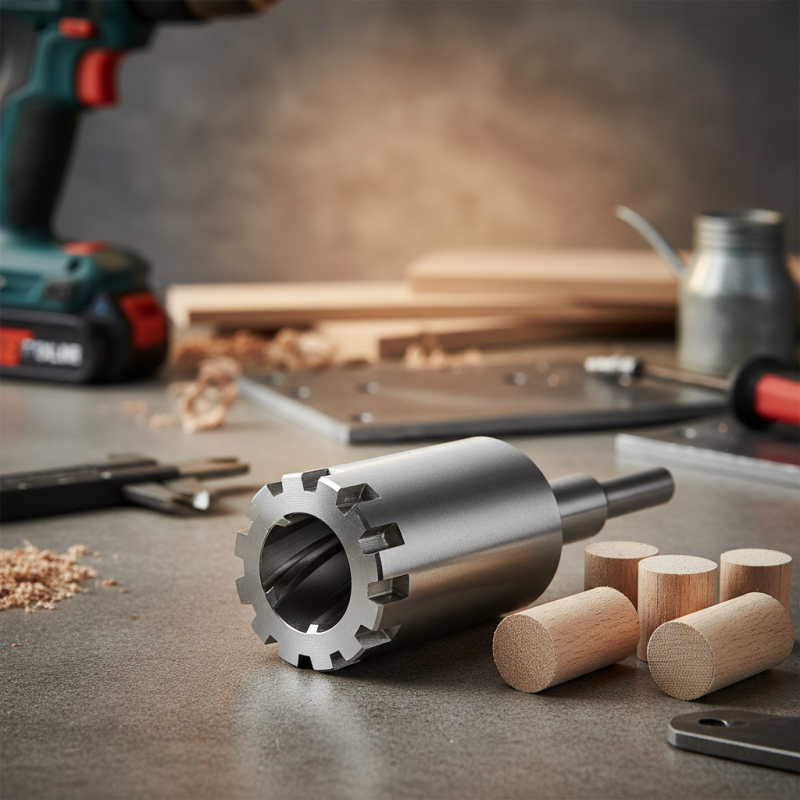
A hollow bit is a specialized tool used primarily in woodworking and metalworking. Its design features a cylindrical shape with a hollowed center. This design allows for the removal of material while creating a clean hole. Hollow bits are often used for creating dowel holes, inlay work, and other precise applications.
When using a hollow bit, ensure it is securely attached to the drill. A loose bit can lead to uneven holes, which can be frustrating. Adjust the speed according to the material you are working with. Softer woods require less speed, while harder materials need a steady pace to avoid burning.
Tips: Always wear protective gear. Dust and debris can be hazardous. Regularly check your bit for wear and damage. A dull bit decreases efficiency. Consider practicing on scrap material before committing to your project. This can help build confidence and improve your technique. Making mistakes is part of the learning process, so don’t be too hard on yourself.
The Structure and Design of Hollow Bits
Hollow bits are specialized tools designed for drilling through various materials. Their unique structure allows for a center hole which helps in the extraction of core samples. This design is particularly useful in geological surveying and construction. By removing material from the center, these bits can create clean openings for pipes or other installations.
The structure of a hollow bit typically consists of a cylindrical body with a sharp, reinforced edge. This edge enables effective cutting through tough materials. The hollow center enhances the bit's ability to clear debris, making the drilling process smoother. However, this design can also lead to challenges. Sometimes, the bit can become clogged, and users need to stop and clear it manually. This aspect requires careful monitoring and a bit of patience.
Hollow bits come in various sizes and shapes, catering to different tasks. A larger bit might be necessary for deeper drilling, while a smaller one can be sufficient for lighter tasks. Yet, choosing the right size can be tricky. Users often find themselves second-guessing, leading to mismatches in expectations. This complexity underscores the need for practice and understanding of the tool's capabilities and limitations.
Common Materials Used in Hollow Bits
Hollow bits are specialized tools designed for drilling. They create holes without wasting material. Understanding the common materials used for hollow bits is crucial for effective drilling. These materials impact durability and performance.
Steel is a primary material for hollow bits. It is affordable and robust. However, steel bits may not last as long as other materials. They can dull quickly, especially when drilling into harder surfaces. This limitation often leads to frequent replacements.
High-speed steel (HSS) bits can withstand higher temperatures, making them suitable for tougher tasks. Yet, they still require careful maintenance to ensure efficiency.
Carbide-tipped bits are also popular. The carbide tip enhances cutting performance. These bits are ideal for specialty applications, like masonry. However, they are more expensive and can break under excessive pressure. Users must be cautious while applying force.
Finally, bi-metal bits combine steel and HSS properties. They offer good flexibility and durability but can fail if used improperly. Understanding these materials helps users select the right hollow bit for their project.
Applications of Hollow Bits in Various Industries
Hollow bits are specialized tools used in various industries. Their unique design allows for efficient drilling and removal of material. This versatility makes them popular in construction, woodworking, and metalworking.
In construction, hollow bits can create precise holes in concrete and masonry. They are essential when installing plumbing or electrical fixtures. The ability to extract core samples also helps in assessing materials' quality.
In woodworking, these bits allow for clean and smooth finishes. Joyfully, they are often used to create intricate designs. However, users must be cautious. Hollow bits can sometimes chip or splinter the material if not handled correctly.
Tips: Always check the bit's sharpness before use. Dull bits can lead to accidents. Also, practice on scrap material to perfect your technique. Lastly, keep safety equipment handy to avoid mishaps.
In metalworking, these bits excel in creating holes without causing significant deformation. Finding the right hollow bit size can be tricky. A bit too big or small may lead to failures in assembly. Always ensure you have the correct measurements for the job.
How to Properly Use and Maintain Hollow Bits
Hollow bits are essential tools for drilling. They create a clean and precise hole. Proper use starts with choosing the right bit size for your project. When drilling, apply consistent pressure, but not too much. Overexertion can damage both the bit and the material.
Maintaining hollow bits is crucial for longevity. After each use, clean the bits carefully. Remove debris and dust that may affect performance. Store them in a dry place to avoid rust. Regularly inspect for dullness or damage. A dull bit can lead to mistakes and frustration during projects.
It's easy to overlook proper techniques. Many users rush the process, leading to poor results. Taking the time to prepare and maintain tools can save effort later. Reflecting on past experiences may highlight areas for improvement. This can make all the difference in achieving quality work.
Usage Comparison of Hollow Bits in Different Materials
This chart illustrates the ease of use ratings for hollow bits when drilling into various materials, providing an overview of their performance in practical applications.